

You just got a message with “OKG” in it. You stared at it. You re-read it. You maybe even said it out loud hoping that would help. It did not.
You are not alone, and this confusion is completely valid because OKG is one of those slang terms that does not exactly announce itself. So here is the direct answer you came for, followed by everything else you might want to know.
What Does OKG Mean in Text?
OKG stands for “Okay, Got It.” It is a shorthand texting phrase used to confirm that someone has received, understood, or acknowledged a piece of information. Think of it as a faster, more casual version of saying “understood” or “alright, noted.” People use it when they want to keep the conversation moving without typing out a full sentence.
That is the core meaning. Simple, clean, done. But there is more to explore if you want to use it correctly and avoid a few common slip-ups.
Where Did OKG Come From?
OKG grew out of the same digital culture that gave us LOL, BRB, and OMG. As texting and instant messaging became the dominant forms of quick communication in the early 2000s, people naturally started compressing phrases into initials to save time and finger effort.
“Okay” was already one of the most used words in English conversation. Combining it with “Got It” created a compact acknowledgment that worked perfectly in fast-paced chat environments. OKG fits neatly into that tradition of abbreviating common responses.
It gained popularity on platforms like WhatsApp, iMessage, Snapchat, and Twitter (now X) where short responses feel more natural than long ones. It is informal by design and thrives in casual, friendly exchanges.
How Is OKG Used in Real Conversations?
Seeing an abbreviation in isolation is one thing. Watching it work in an actual conversation is where it clicks. Here are some real-life examples:
Example 1: Making plans
Friend: “Meet me at the coffee place at 3 PM, not 2.” You: “OKG, see you then!”
Example 2: Getting instructions
Boss (on chat): “Send the report before noon, not at end of day.” You: “OKG, will do.”
Example 3: Receiving updated information
Group chat: “Hey the party moved to Saturday.” Member: “OKG!”
In each case, OKG does the job of confirming that the message landed, was understood, and no further clarification is needed. It is efficient without being cold.
OKG vs. Similar Abbreviations: A Quick Comparison
There are several abbreviations that live in the same neighborhood as OKG. Here is how they stack up:
| Abbreviation | Full Meaning | Tone | Best Used When |
| OKG | Okay, Got It | Casual, friendly | Confirming instructions or updates |
| OK | Okay | Neutral | General agreement or acknowledgment |
| OKI | Okie / Okay | Playful, warm | Friendly or light-hearted replies |
| GI | Got It | Direct, professional | Work or task confirmation |
| RGR / Roger | Received / Understood | Formal, military-style | Professional or structured environments |
| NP | No Problem | Reassuring | Responding to a thank-you or apology |
| TBH | To Be Honest | Conversational | Sharing opinions casually |
OKG sits right in the sweet spot between too casual and too stiff. It feels friendly without being childish, and clear without being robotic.
Is There a Biblical or Historical Use of “OKG”?
Not in the abbreviation form, obviously. The acronym itself is a modern invention. However, the concept it represents, which is simple, clear acknowledgment of received information, has deep roots in human communication.
In biblical texts, scribes and messengers had specific ways of confirming that a message was received and understood before passing it on. The phrase “So be it” (translated from Hebrew Amen) served a similar social function: it was a spoken confirmation that you had heard, agreed, and accepted what was said.
In military history, the concept of “message received and understood” was so critical that it became formalized into codes like Roger That (from the NATO phonetic alphabet, where R stood for “Received”). OKG is the modern civilian, text-based equivalent of that same human need: to confirm clearly and move forward.
Also Read This: What Does OKG Mean in Text? The Simple, Clear Answer You Need
What Tone Does OKG Carry?
This is where things get a little nuanced. OKG is almost always friendly or neutral in tone. It does not carry frustration, sarcasm, or formality on its own. But like most short texts, the words around it matter a lot.
“OKG!” with an exclamation mark reads as enthusiastic and happy.
“OKG.” with a period can read as slightly flat or even curt depending on context and the relationship.
“OKG, makes sense!” reads as warm and engaged.
The abbreviation itself is neutral. Your punctuation and the words you attach to it carry the emotional weight. Use it with a warm word or emoji if you want to make sure it does not land as dismissive.
When Should You Use OKG?
OKG works well in these situations:
- Responding to a schedule change or update
- Acknowledging instructions from a friend or colleague on chat
- Confirming you received directions or plans
- Ending a quick back-and-forth where no more input is needed from you
It works best in casual conversations, group chats, and informal work messaging tools like Slack or WhatsApp. It is not the right fit for every situation, which brings us to the next part.
When Should You Avoid OKG?
Not every message deserves an OKG, and not every setting welcomes it.
Avoid it in formal emails. If your manager sends you a policy update via email, replying “OKG” might come across as unprofessional or lazy. A better response would be “Understood, thank you for the update.”
Avoid it in sensitive conversations. If someone shares something emotional or serious with you, “OKG” as a response will feel dismissive and cold. Respond with actual words in those moments.
Avoid it when you need to ask a follow-up question. If you did not fully understand, do not just say OKG. Ask. Pretending you got it when you did not is how miscommunications spiral.
Common Mistakes People Make With OKG
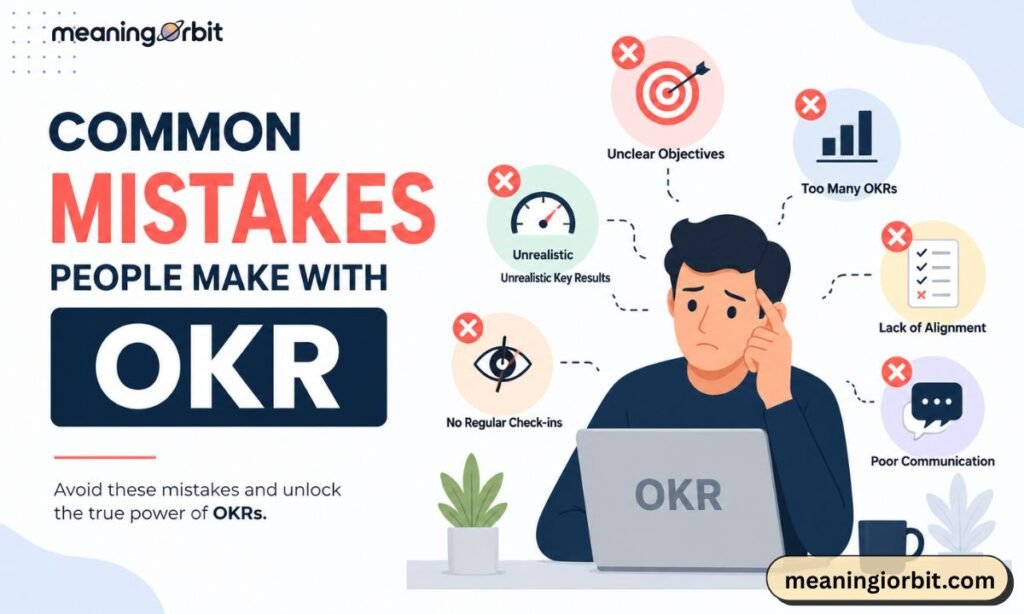
Here are the slip-ups worth knowing about before they happen to you:
Using it when you did not actually understand. This is the big one. OKG is a confirmation. If you use it when you are actually confused, you are setting yourself up for a mistake later. If you need clarification, ask for it.
Sending only “OKG” in emotionally charged conversations. A friend venting about a hard day does not want “OKG” in reply. Read the room.
Confusing OKG with other abbreviations. Some people mix it up with OKI (a more playful version of okay) or GOT (slang for “understood” in some circles). OKG specifically means “Okay, Got It” as a combined phrase.
Using it in professional writing. Emails, reports, and formal communication are not the place for texting abbreviations. Even in professional chats, gauge the culture of the space before dropping abbreviations like this.
OKG vs. OKI: Which One Should You Use?
Both are casual, both are friendly, but they carry slightly different vibes.
OKI (or “Okie”) is warmer and more playful. It works well with close friends and in light-hearted conversations. It almost has a smile built into it.
OKG is slightly more purposeful. It signals that you have received and understood something specific. It is a step above just “OK” because the “G” adds the layer of confirmation.
If you are replying to a friend being fun and casual, OKI works great. If someone gave you actual information or instructions you want to confirm, OKG is the more precise choice. Both are right in the right context.
Related Texting Abbreviations Worth Knowing
While you are here, a few related abbreviations that travel in the same circles as OKG:
IKWYM means “I Know What You Mean.” Used when you relate to what someone said.
NGL means “Not Gonna Lie.” Used before sharing an honest or unexpected opinion.
TBH means “To Be Honest.” Similar energy to NGL, used in casual admissions.
FR means “For Real.” Used to emphasize that you are serious or to agree strongly.
IKR means “I Know, Right?” Great for expressing agreement or shared disbelief.
These are all siblings of OKG in the informal texting vocabulary most people use daily without thinking about it.
Frequently Asked Questions
Is OKG the same as just saying “OK”?
Not quite. “OK” is a simple agreement or acknowledgment. “OKG” adds the “Got It” component, which specifically tells the other person that you understood the information, not just that you are fine with it. It carries a touch more confirmation.
Can I use OKG at work?
It depends on your workplace culture. In casual team chats on Slack or similar platforms where the tone is relaxed, OKG fits in fine. In formal emails or communication with clients, stick to professional language. Always match the energy of the environment you are in.
Does OKG mean anything else in other contexts?
In some online gaming or niche communities, abbreviations can take on different meanings. However, in mainstream texting and messaging, OKG almost universally means “Okay, Got It.” If you ever see it used differently in a very specific community, that would be a subcultural usage, not the standard meaning.
Conclusion
OKG means “Okay, Got It.” It is a casual, friendly texting abbreviation used to confirm that you received and understood a message. Use it in informal conversations, avoid it in formal writing, and always make sure you actually understood before you send it.
That last part is the most important one. No abbreviation fixes the confusion of pretending you understood when you did not.

William is a dedicated writer in the meaning niche with 4 years of experience, helping readers understand the true meanings of words and ideas in a simple way.His goal is to make understanding meanings simple, useful, and engaging for everyone.

1 thought on “What Does OKG Mean in Text? The Simple, Clear Answer You Need”