

You just got a message that says “KMS” and now you’re staring at your screen wondering if you should laugh, panic, or Google it. You’re not alone. This tiny three-letter abbreviation confuses thousands of people every day. So here is the clearest answer you will find anywhere online.
KMS in text means “Kill Me Softly” or more commonly “Kill Myself.” It is a slang expression used in casual digital conversations to show extreme frustration, embarrassment, or dramatic overreaction. It is almost always used humorously, not literally.
What Does KMS Mean in Text, Exactly?
KMS stands for “Kill Me Softly” or “Kill Myself” depending on context and the person using it.
When someone texts “OMG I tripped in front of everyone at school KMS,” they are not expressing a real wish. They are being dramatically funny about an embarrassing moment. Think of it as the texting version of covering your face with a pillow and groaning.
The phrase works because modern internet culture loves exaggerated emotional reactions. If something is slightly bad, you say it is the worst thing ever. That is the spirit behind KMS.
Where Did KMS Come From? A Quick Origin Story
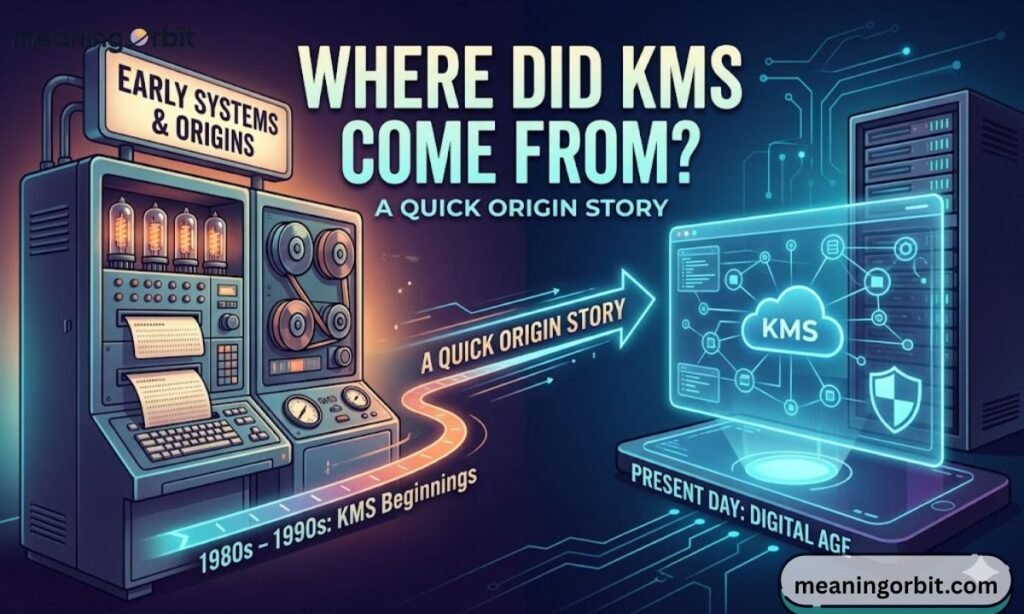
KMS did not appear out of nowhere. It grew alongside the broader internet slang culture of the early 2000s and exploded in popularity with platforms like Tumblr, Twitter, and Snapchat around 2012 to 2016.
Teens and young adults started using dramatic expressions online as a form of comedic venting. Phrases like “I want to die,” “I’m done,” and eventually KMS became shorthand for “this situation is unbearable in the most relatable way possible.”
It followed the same path as other hyperbolic slang like SMH (Shaking My Head), FML (F*** My Life), and I’m deceased (meaning something was hilarious). The internet has always had a flair for the dramatic.
KMS in Different Contexts: It Changes More Than You Think
Here is where people get tripped up. KMS does not always mean the same thing depending on where you see it.
| Context | What KMS Likely Means | Tone |
| Texting with a close friend | “Kill Myself” (dramatic humor) | Funny, exaggerated |
| Social media caption | “Kill Me Softly” (self-deprecating) | Lighthearted |
| Gaming chat | “Kill Me” (frustrated reaction) | Annoyed but playful |
| Formal or professional setting | Out of place entirely | Should never appear here |
| Someone visibly distressed | Possible genuine cry for help | Take seriously |
The setting and relationship matter more than the letters themselves. Context is everything with modern slang.
Real Life Examples of KMS Used in Texts
Seeing it in action makes it click instantly. Here are some natural examples:
Example 1: Friend: “I called my teacher ‘Mom’ by accident.” You: “NOOO KMS that would be me”
Example 2: “Just found out my presentation is TODAY not tomorrow. KMS.”
Example 3: “My WiFi cut out right before I submitted the assignment. KMS I am so done.”
Example 4: “My mom read my diary. KMS I need to move countries.”
In every single one of these, the person is venting with humor, not expressing a real intention. It functions like a comedic exhale after something goes wrong.
KMS vs Similar Slang: What Is the Difference?
You have probably seen other abbreviations that feel similar. Here is how they compare to KMS:
FML (F* My Life):** Also used for frustrating or embarrassing moments, but slightly more aggressive in tone. KMS leans more into dark humor.
SMH (Shaking My Head): Used for disbelief or disappointment, usually at someone else’s actions. Less personal than KMS.
I’m done: Means the same thing emotionally but written out more fully. KMS is faster to type.
Dead (or I’m deceased): Used when something is extremely funny. KMS is for when something is frustrating or embarrassing.
KYS (Kill Yourself): This one is genuinely offensive and used as an insult. Never confuse it with KMS. KYS is directed at someone else. KMS is directed at oneself and is self-deprecating. Big difference.
Also Read This: KMS Meaning in Text: What It Really Means and When to Use It
The One Thing Everyone Gets Wrong About KMS
The most common mistake people make is taking KMS too literally in casual conversation. If your best friend texts you “I burned my toast again KMS,” they do not need a wellness check. They need to invest in a better toaster.
On the flip side, the second most common mistake is dismissing every use of KMS as harmless. While it is almost always humor, there are rare cases where someone is genuinely overwhelmed and uses it to express real distress in the only language they feel comfortable with.
The rule of thumb is simple: read the full message, not just the abbreviation. Tone, context, and everything surrounding those three letters will tell you whether to laugh along or check in with genuine care.
When KMS Crosses a Line
KMS is not appropriate everywhere. Using it casually with a close friend is completely different from dropping it in a work group chat or a school email. That would be somewhere between “deeply awkward” and “a meeting with HR.”
It also does not belong in conversations with people you do not know well. Slang builds trust between people who share a language. When that shared understanding is missing, the humor disappears and only the words remain. And those words, out of context, can land very badly.
Stick to casual, familiar conversations with people who already understand your sense of humor. Simple rule, big difference.
Should You Use KMS? Here Is an Honest Answer
If you are under 25, texting a close friend, and something mildly terrible just happened, then KMS fits perfectly into your vocabulary. It is fast, funny, and universally understood in that context.
If you are trying to connect with younger people online and you want to use it, just make sure you genuinely understand the tone. Forced slang always reads as awkward, and nothing kills a joke faster than obvious effort.
If you are a parent, teacher, or employer who just saw KMS for the first time, now you know it is almost certainly humor. But again, trust the context more than the abbreviation.
Does KMS Have Any Other Meanings?
Yes, and this surprises a lot of people. Outside of texting slang, KMS has a few completely different meanings depending on the field:
KMS (Key Management Service): In technology and software, KMS refers to a Microsoft tool used to activate Windows and Office products across networks. If you see KMS in a tech forum, this is almost certainly what they mean.
KMS (Kilometers): In some informal shorthand, especially in non-English speaking countries, KMS is used to abbreviate kilometers.
KMS (Korean Music Scene or K-Music): Occasionally used in fan communities though this is far less common.
So if you see KMS on a tech website, do not worry. Nobody in IT is having a dramatic crisis over their server. Probably.
A Note on Mental Health and Responsible Slang Use
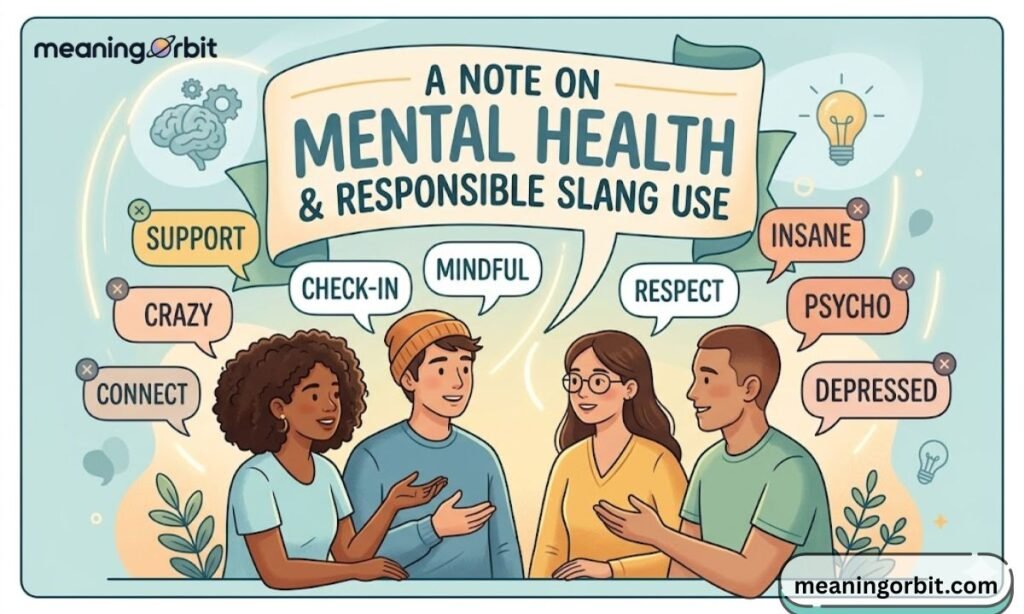
It is worth saying clearly: language shapes how we think about serious topics. KMS has been used so casually for so long that most people never think twice about it. And most of the time, that is fine.
But if you or someone you know is genuinely struggling, please reach out to a trusted person or a mental health resource. Words like KMS can sometimes normalize feelings that deserve real attention. There is no shame in taking something seriously when the situation calls for it.
Use slang freely and lightly. And keep your eyes open for the moments when someone might mean more than they are letting on.
Frequently Asked Questions
Is KMS always a joke?
Almost always, yes. In the vast majority of cases, KMS is used as humorous hyperbole in response to something frustrating or embarrassing. However, context always matters. If someone seems genuinely upset or distressed, take their words seriously regardless of the slang they use.
What is the difference between KMS and KYS?
KMS is self-directed and almost always used for comedic effect by the person about themselves. KYS is directed at someone else as an insult and is considered genuinely offensive. The two are completely different in meaning and intent.
Can I use KMS in a professional setting?
No. KMS belongs in casual, personal conversations only. It has no place in workplace communication, professional emails, or any formal setting. Using it there would be confusing at best and seriously problematic at worst.
Conclusion
KMS in text means “Kill Myself” or “Kill Me Softly” and functions as a dramatic, humorous reaction to life’s frustrating little moments. It is not literal. It is not serious. It is internet culture doing what it does best: turning mild suffering into something to laugh about together.
Now that you know exactly what it means, where it came from, how it is used, and when to think twice, you are fully equipped to read the room. Whether you choose to use it yourself or simply recognize it when you see it, you will never be confused by those three letters again.

William is a dedicated writer in the meaning niche with 4 years of experience, helping readers understand the true meanings of words and ideas in a simple way.His goal is to make understanding meanings simple, useful, and engaging for everyone.
